Central Mediterranean History

How Did the Maltese Archipelago Evolve Across Seven Millennia?

Malta's evolution across seven millennia was shaped by its position at the maritime crossroads of the Mediterranean Sea, transforming small limestone islands into one of the most fortified cultural nexus points on Earth.

From the prehistoric architects of Ġgantija and Ħaġar Qim to the defensive engineering of the Order of Saint John and the heroic civil resilience of the Second World War, the Maltese islands reflect successive layers of Phoenician commerce, Roman municipal administration, Arab agrarian terminology, British maritime colonial policy, and modern sovereign European identity.

Begin Chronological Study

Panoramic view of the Grand Harbour in Valletta showing historic limestone bastions and fortifications overlooking the Mediterranean water
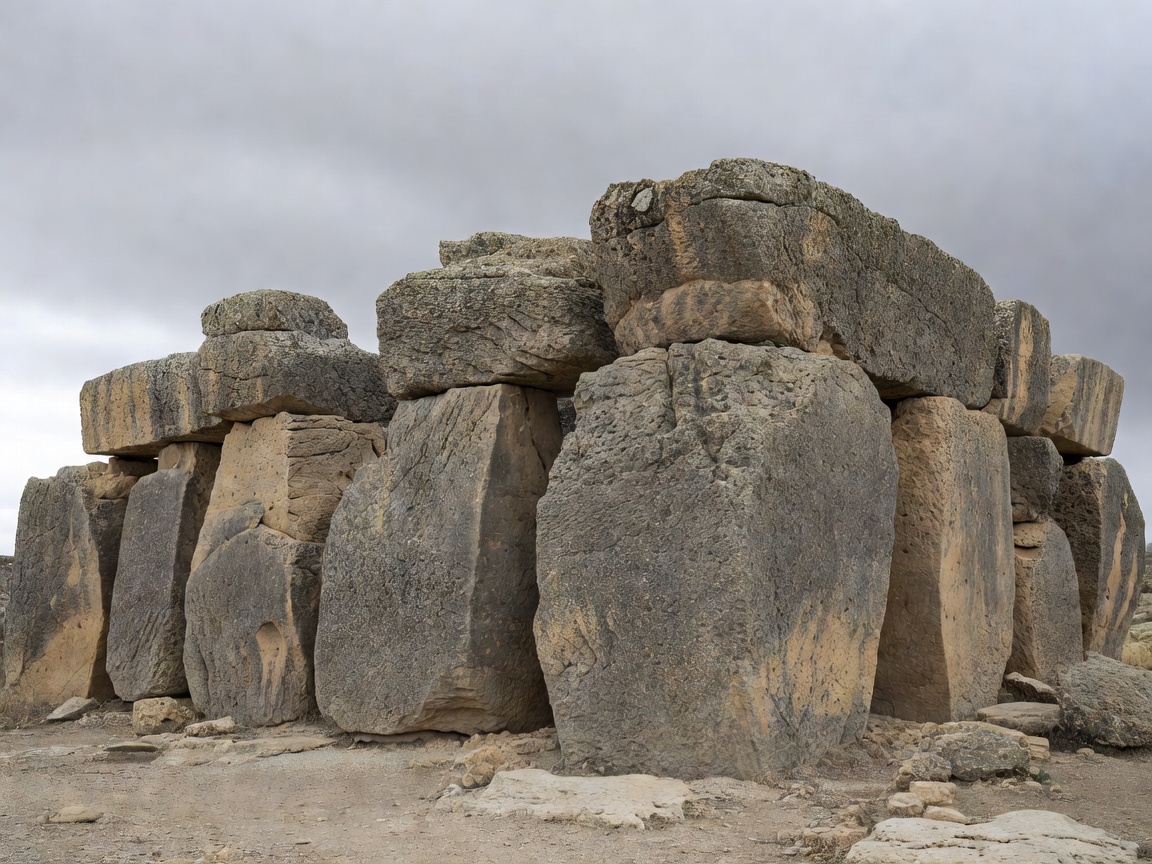
Massive corbelled megalithic stone blocks at the prehistoric temples of Ggantija in Gozo
Epoch 01 • 3600–2500 BCE

Why Did Neolithic Builders Construct Freestanding Stone Temples on Malta?

Neolithic island communities constructed monumental megalithic stone complexes to serve as communal ritual centres and ceremonial astronomical alignment sanctuaries.

Pre-dating Stonehenge and the Great Pyramid of Giza by centuries, sites including Ġgantija, Mnajdra, Ħaġar Qim, and the subterranean Ħal Saflieni Hypogeum reveal remarkable masonry engineering using Globigerina and Coralline limestone, complex spiral relief sculpture, and distinct maritime religious ritual traditions.
Read Megalithic Analysis →

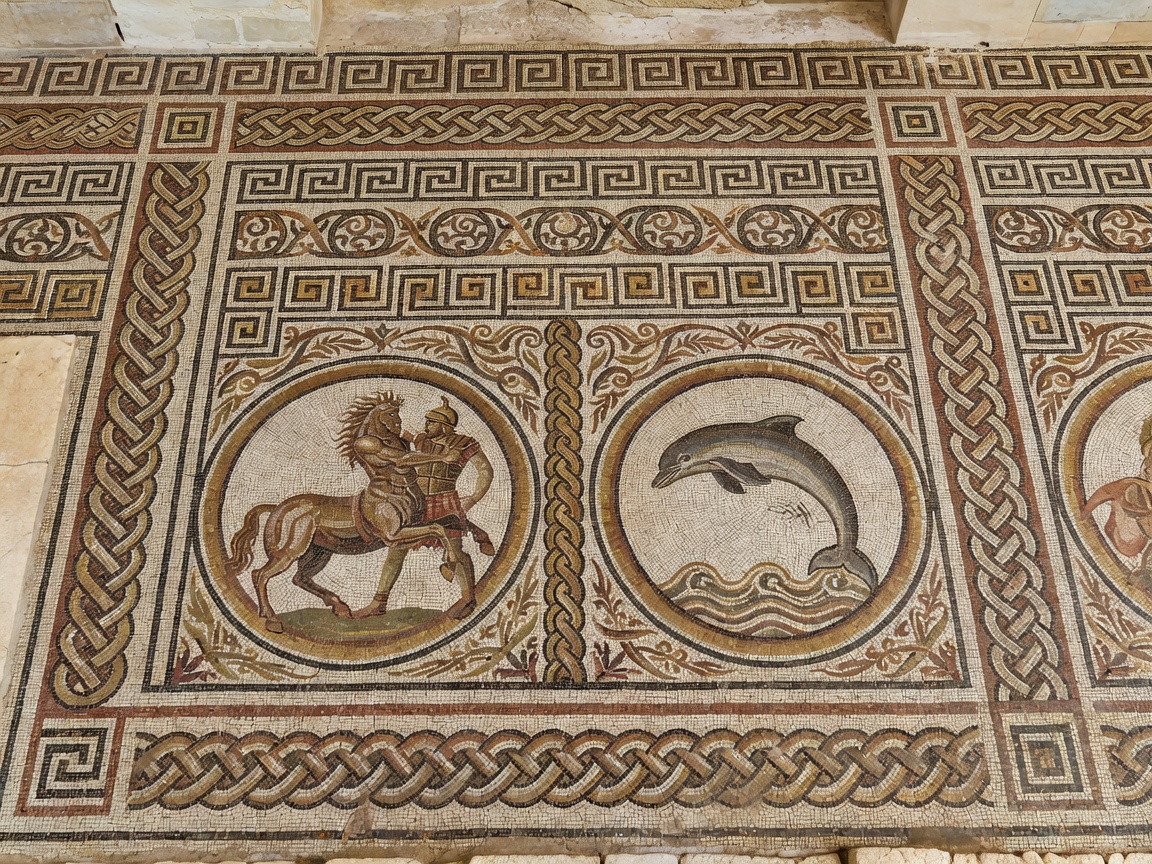
Finely detailed Hellenistic and Roman mosaic pavement preserved at the Domvs Romana museum in Rabat Malta
Epoch 02 • 800 BCE–870 CE

How Did Classical Empires Integrate the Maltese Islands into Mediterranean Trade?

Classical maritime empires integrated Malta by establishing permanent deep-water anchorages and regional textile manufacturing hubs along central Mediterranean trade lanes.

Beginning with Phoenician traders and Punic settlements, the archipelago transitioned under Roman rule into the municipium of Melite, celebrated by Cicero for fine woven linen and documented in the Acts of the Apostles for the shipwreck of Saint Paul in 60 CE, before Byzantine maritime reorganisation.

Read Antiquity Analysis →

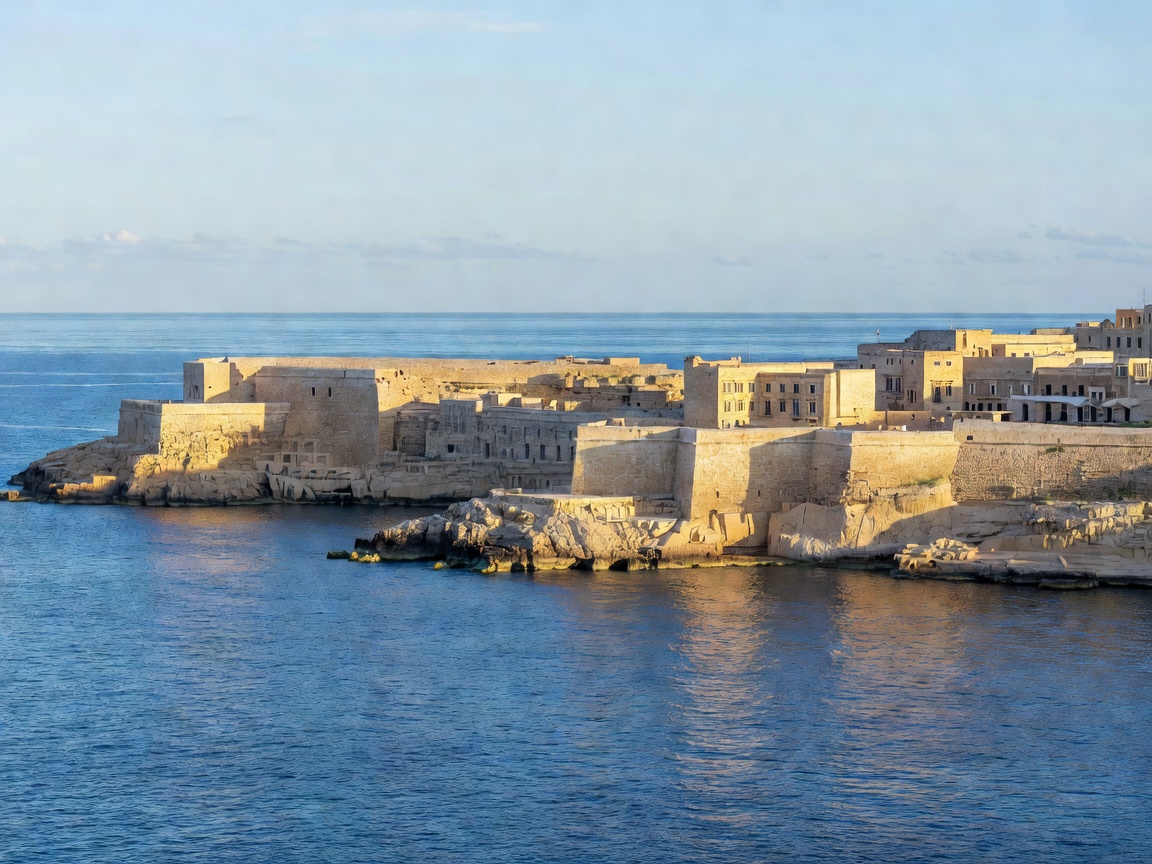
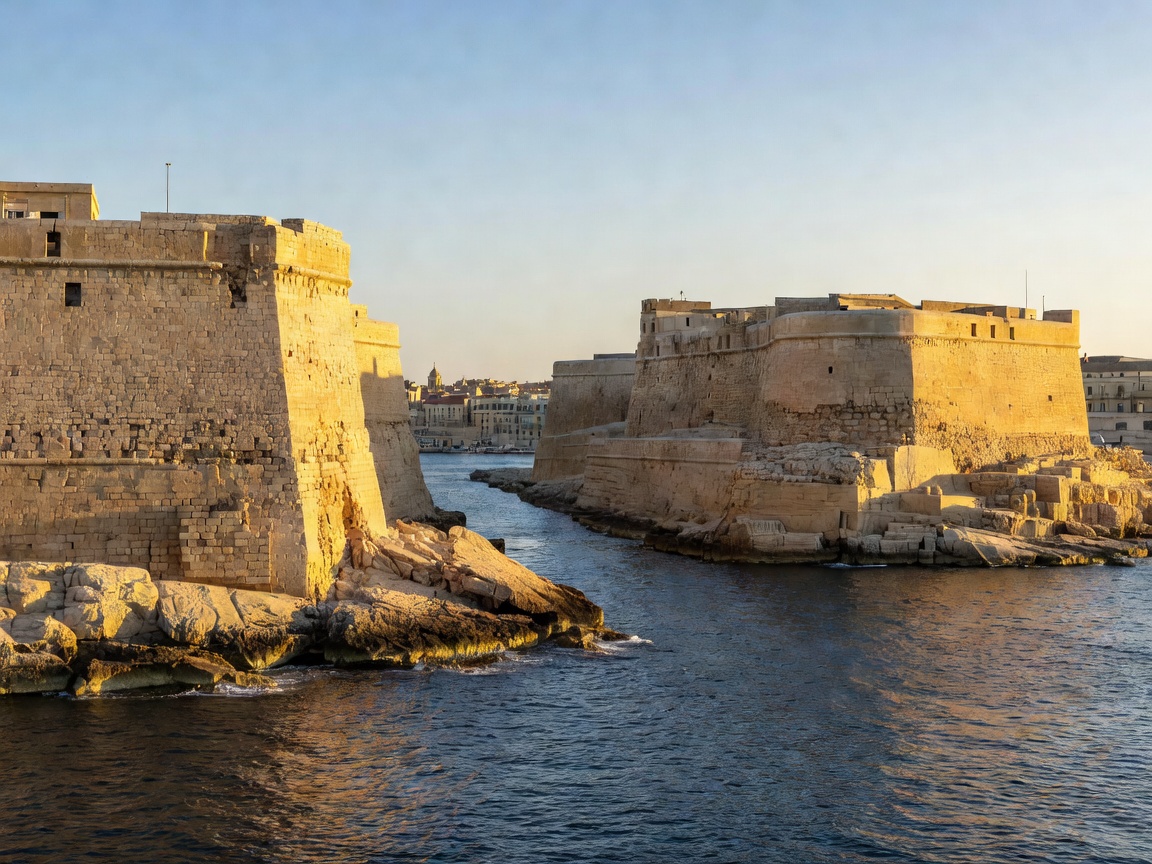
Massive stone ramparts of Fort Saint Angelo guarding the entrance to the Grand Harbour in Birgu
Epoch 03 • 1530–1798 CE

What Transformed Malta into Europe's Most Fortified Maritime Stronghold?

The sovereign arrival of the Order of Saint John of Jerusalem transformed Malta through the construction of monumental bastioned fortifications designed to repel Ottoman naval expansion.

Following the cataclysmic Great Siege of 1565 around Birgu and Fort Saint Elmo, Grand Master Jean de Valette initiated the planned grid city of Valletta, introducing state-of-the-art military bastions, the Sacra Infermeria hospital, and grand baroque palaces that redefined the Grand Harbour.

Read Hospitaller Analysis →

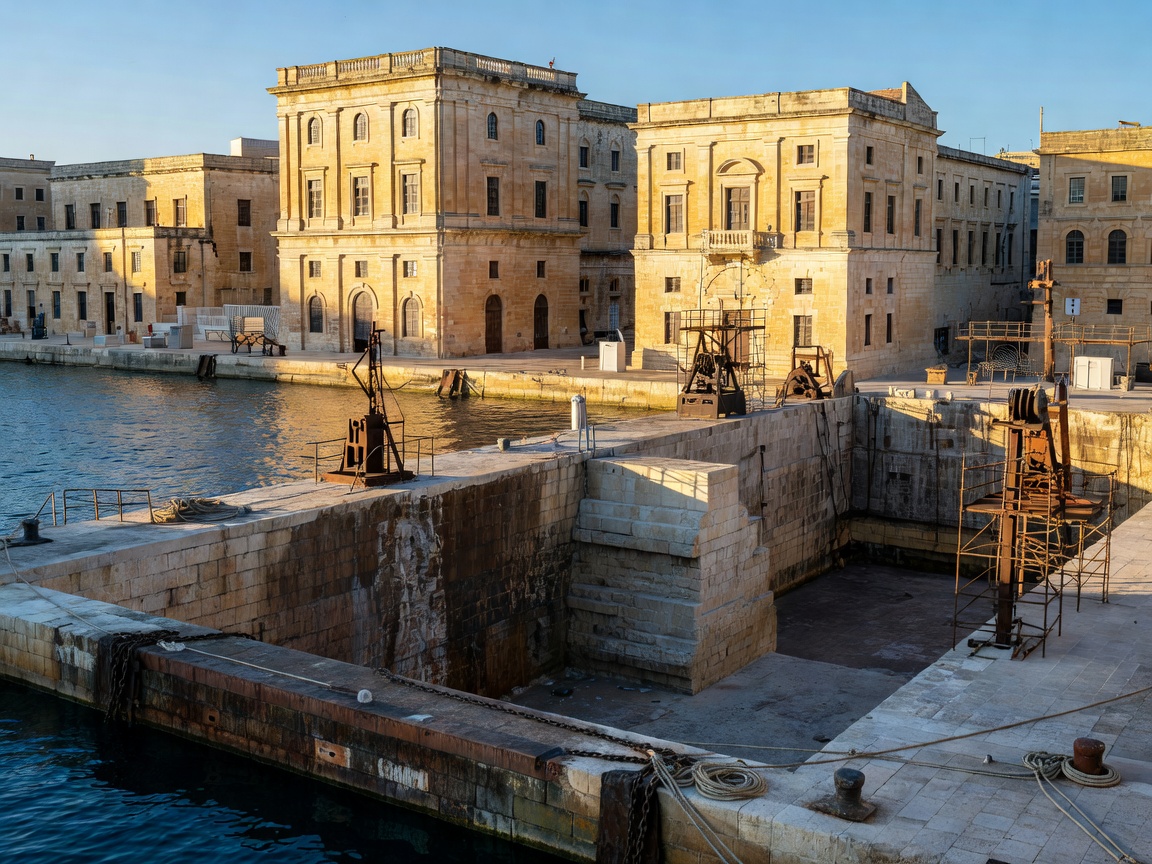
Historic naval dry docks and British colonial maritime architecture inside the Grand Harbour of Malta
Epoch 04 • 1798–1964 CE

How Did British Colonial Rule Turn the Archipelago into an Unsinkable Aircraft Carrier?

British imperial administration developed Malta into a strategic naval dockyard and critical Mediterranean air staging post between Gibraltar, Alexandria, and the Suez Canal.

After local Maltese rebellion ended brief Napoleonic French occupation in 1800, the 1814 Treaty of Paris established Malta as a British Crown Colony. In the Second World War, the archipelago withstood continuous Axis aerial bombardment, earning the collective award of the George Cross to the population in 1942.

Read Colonial Era Analysis →

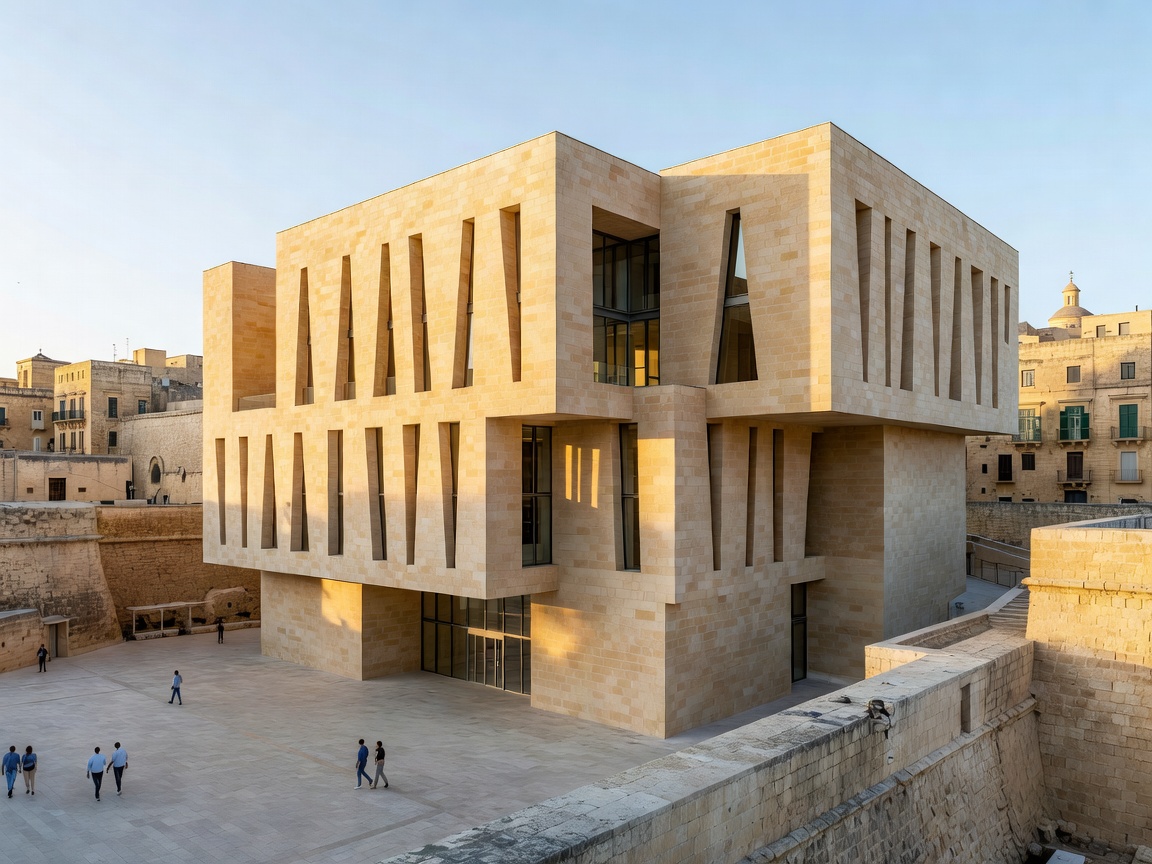
The contemporary Maltese Parliament building designed by Renzo Piano in Valletta representing modern statehood
Epoch 05 • 1964–Present

What Path Led Malta from Colonial Fortress to Sovereign European Republic?

Malta transitioned toward sovereignty through constitutional independence in 1964, official declaration of the Republic in 1974, and full membership in the European Union in 2004.

The closure of the Royal Navy military base in 1979 cemented economic diversification from military logistics toward maritime shipping, transshipment hubs, international financial services, advanced aviation maintenance, and heritage cultural preservation.

Read Modern Republic Analysis →

Why Is Malta's Stratified Historical Record Uniquely Preserved?

Malta's historical record remains uniquely intact due to the exceptional durability of local Lower Coralline and Globigerina limestone alongside the geographical isolation of its 316-square-kilometre archipelago.

Successive rulers rarely erased prior foundations entirely; instead, Norman administrative towers sat atop Arab citadels, Knights' bastions enclosed medieval ramparts, and Victorian dry docks adapted deep natural inlets first used by Phoenician galleys. This spatial continuity offers researchers an unparalleled open-air stratigraphy of central Mediterranean maritime civilisation.